

Contribution to UNSDGs
For Better

Communities
Creating Shared Progress
The ‘For Better Communities’ pillar reflects our belief that people and communities are integral to TCP’s sustained growth. It represents our resolve to empower our workforce and make a positive impact in the communities we serve. We focus on creating impactful and scalable solutions that improve quality of life for these key stakeholders. This pillar also represents our priority to nurturing a workplace that emphasises diversity, equity and inclusion throughout the organisation.
Vision
Our vision is to enhance the quality of life, creating shared value for our communities and foster an equitable, inclusive and safe culture for our employees.
Targets
diverse workforce across all geographies
community beneficiaries

Stakeholders Impacted

People

Communities

Investors

Government & Regulatory Authorities
Material Issues
Capitals Impacted
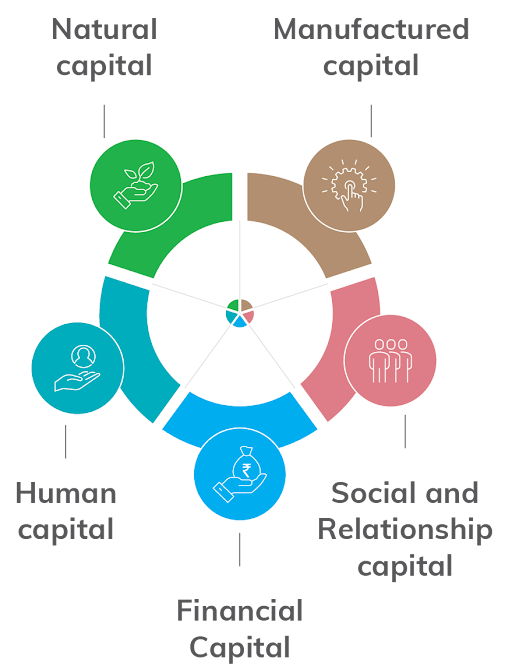
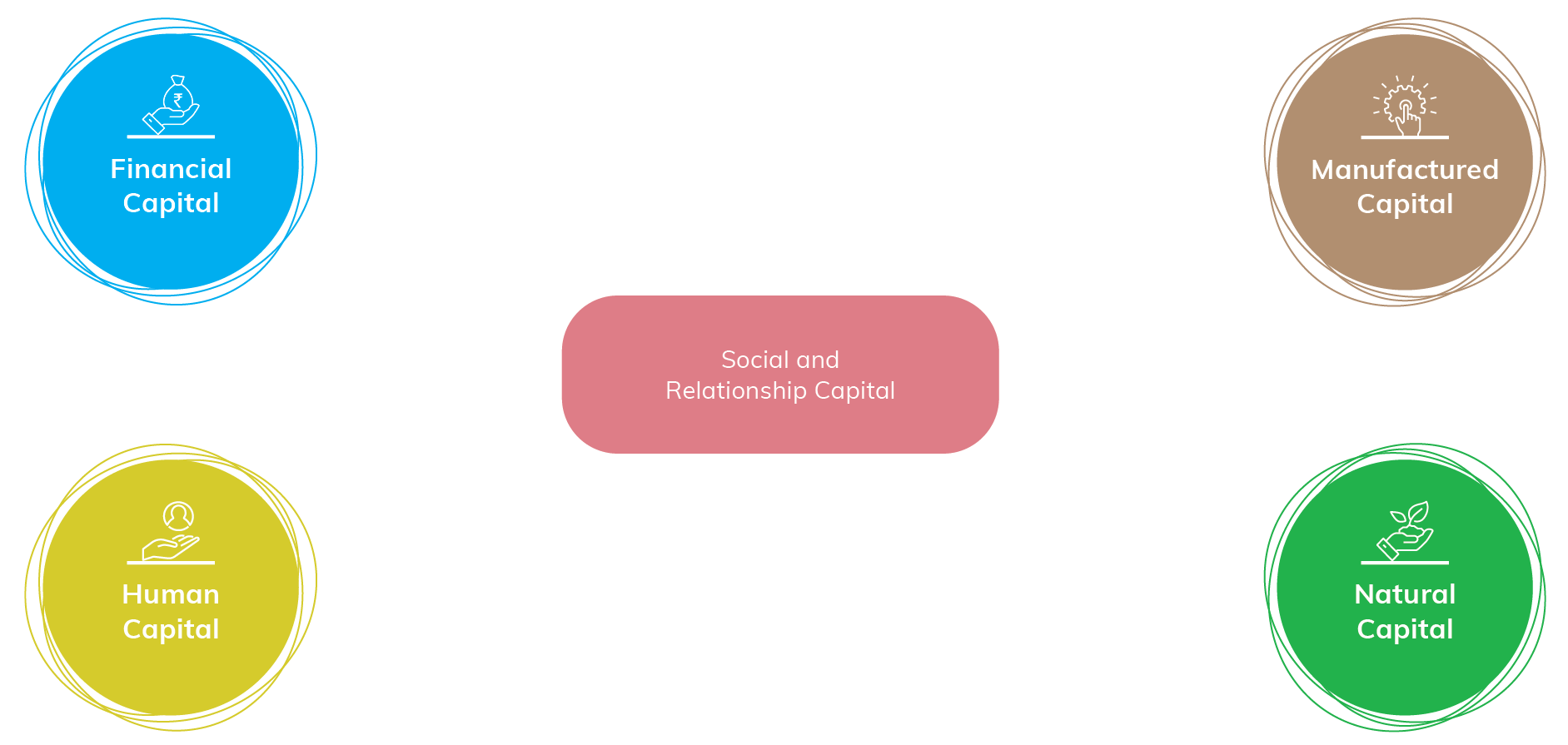
INTERLINKAGE OF CAPITALS
PERFORMANCE HIGHLIGHTS
37%
gender diversity
1.69 Mn
beneficiaries till FY 2025
1,50,000+
health and safety training man hours
4.23
average employee volunteering hours
DEVELOPING A VIBRANT WORKFORCE
At Tata Group, the dedication, commitment and talent of our people drives our progress, enabling us to innovate and excel in ways that benefit our consumers and the communities we serve. Our collective efforts across Talent Acquisition, Diversity, Equity and Inclusion (DEI), Learning and Development (L&D), Human Rights, Health and Safety, and Corporate Social Responsibility (CSR) help build an environment that ensures growth and enables positive change, both within our organisation and beyond. Acknowledging the pivotal role our workforce plays, we place high priority on creating an environment where every individual can thrive, grow and contribute to our shared success.
We believe that effective workforce management is crucial to ensuring a dynamic and empowered workforce. By attracting and retaining world-class, diverse talent, lowering attrition, supporting professional growth and fostering an inclusive culture, we are building a workforce that ranks among the best.
ATTRACTING TALENT
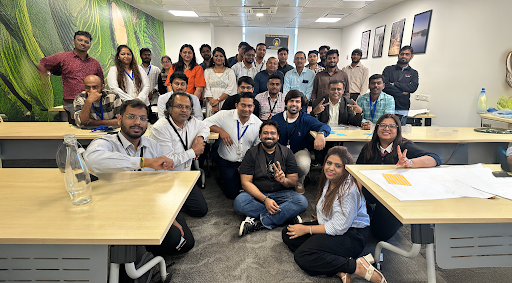
We invest significantly in human capital development which helps attract exceptional talent. Our approach not only ensures that every new employee can grow and excel but also aligns closely with the values and spirit that define TCP’s culture. A significant 78% of lateral hires came from leading FMCG companies, complemented by strategic inflows from Consulting and E commerce (4% each) and Services (3%), with additional talent from Digital, Education, Manufacturing, Media, Pharma, Hospitality and Retail.
By integrating seasoned FMCG professionals with cross industry expertise and the entrepreneurial dynamism of the start up ecosystem, we strengthened our ability to innovate, respond with agility and drive long term value creation.
We view workforce changes as a natural and healthy part of organisational growth and believe each transition creates space for new talent to enter and for existing employees to take on broader responsibilities and advance their careers. Therefore, we encourage internal mobility, enabling employees to upskill and explore cross functional roles, within TCP. As a result, 23% of all vacancies this year were filled through internal transfers, highlighting both the capabilities and resilience of our people and the effectiveness of our talent development approach.
EMPOWERING COMMUNITIES

The community is not just another stakeholder in the business but is, in fact, the very purpose of its existence
Jamsetji Tata
CSR Vision
Tata Consumer Products (TCP) aspires to be the world's most admired natural food and beverages Company, creating a meaningful and lasting impact through its commitment to Sustainability and Corporate Social Responsibility.
CSR AT TATA CONSUMER PRODUCTS
Guided by our focus on Fostering Sustainable Livelihoods, TCP’s Corporate Social Responsibility (CSR) efforts focus on enabling the upliftment of the communities we serve. By forging meaningful partnerships, crafting well defined initiatives and sustained efforts, we aim to support the socio-economic progress of the communities we serve. Through our diverse initiatives, we support access to education, vocational training, affordable healthcare, water and sanitation and broader rural development programmes. Together, these interventions aim to help generate sustainable livelihood opportunities and enhance the overall quality of life for community members. With priority to disadvantaged communities, including those below the poverty line (BPL), persons with disabilities, women and children. These programmes are implemented in collaboration with governments, non- governmental organisations (NGOs), and other key stakeholders to ensure sustainable and inclusive progress.
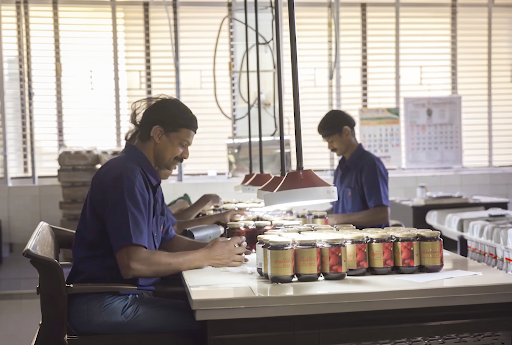
CSR PILLARS






Our goal is to reach 2 million community members by FY 2030. As of FY 25, we have already benefited 1.69 million individuals (validated impact figures). Additionally, our employees have invested 46,000 volunteering hours, reflecting our ongoing endeavours in social development.
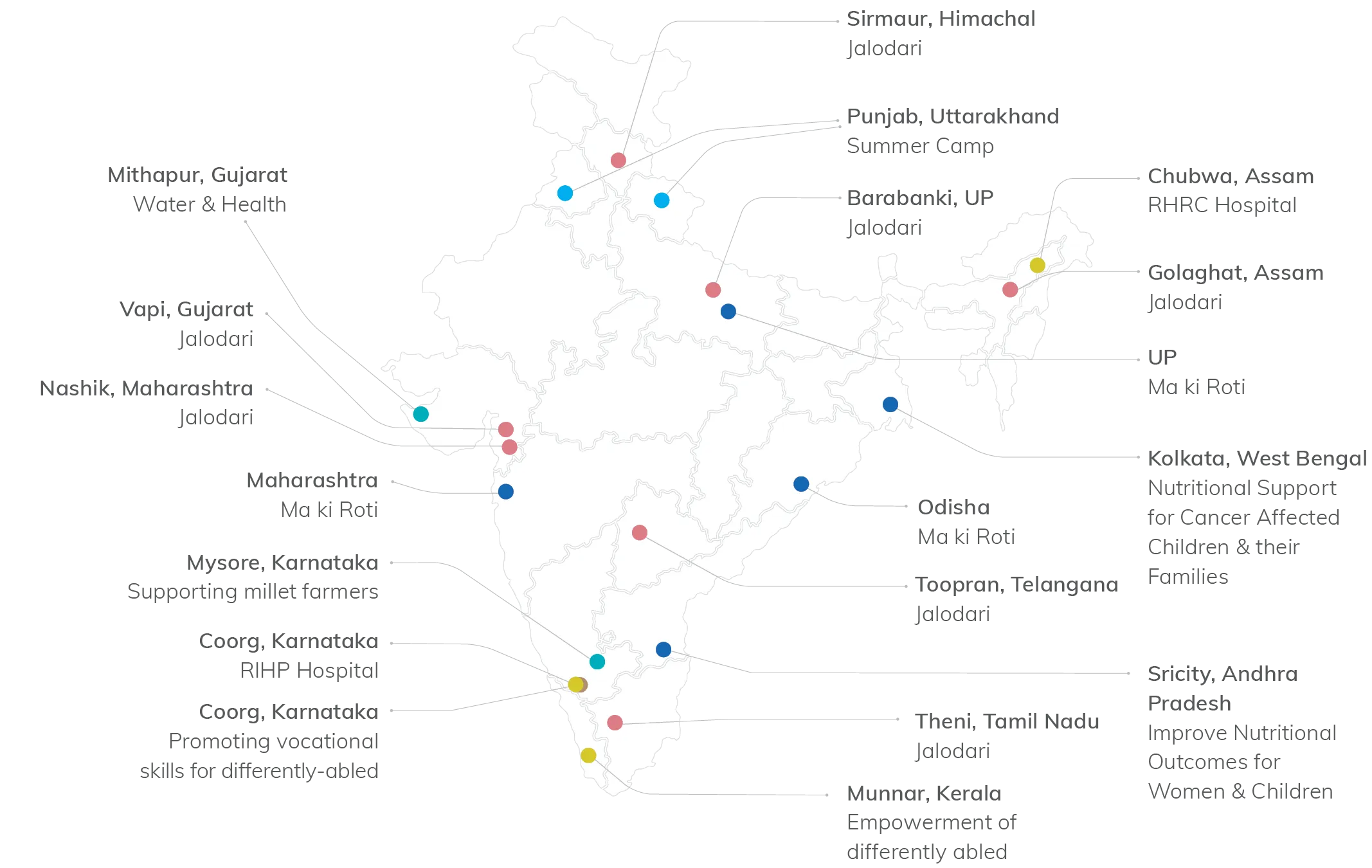
CSR PROGRAMMES, FY 2025-26
CSR GOVERNANCE
Governance of CSR at TCP takes place through a robust governance structure headed by the Board's Corporate Social Responsibility & Sustainability Committee (CSR&S Committee) which was formed and functions in compliance with the provisions of Section 135 of the Companies Act, 2013. This committee provides strategic direction and oversight while a working committee takes on operational responsibilities. This structure ensures disciplined oversight, accountability and alignment with TCP's strategic priorities.
As part of its mandate, the CSR&S Committee is responsible for developing and recommending the CSR policy, identifying CSR programmes, approving budgets and monitoring the progress and outcomes of all CSR projects.
CSR Initiatives: A Few Snapshots
TCP collaborates with organisations such as Amalgamated Plantations Pvt. Ltd. (APPL), Tata Chemicals Society for Rural Development (TCSRD), further expanding the reach and effectiveness of our social initiatives.
During FY 2025–26, we have continued to implement a wide range of CSR initiatives that reflect our commitment to social and environmental progress. Presented hereafter are snapshots of programmes that highlight the impact being created across the communities we serve.
Jalodari: Building Water-Resilient Communities Across India
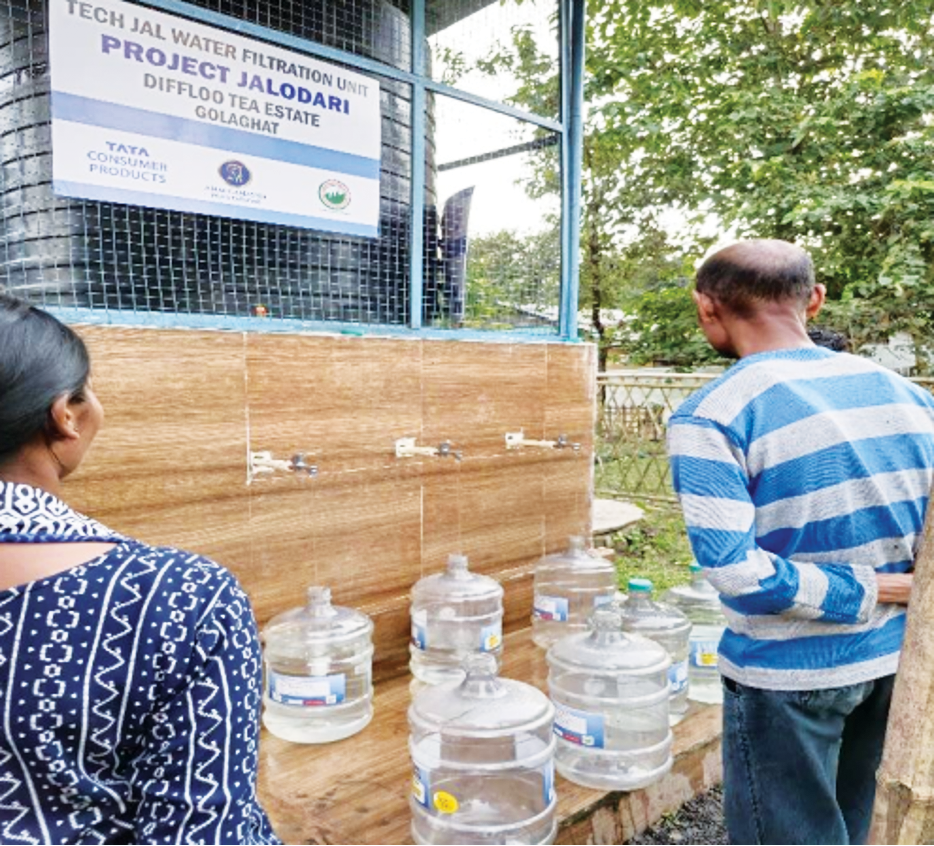
Project Jalodari is TCP’s flagship water security and watershed management initiative aimed at strengthening groundwater resources, enhancing surface water availability, and improving climate resilience across diverse rural landscapes. Implemented through a science-led Diagnose–Design–Assess framework, the programme combines hydrogeological planning, community ownership, and continuous digital monitoring to create sustainable water systems. Implemented in Barabanki (UP), Vapi (Gujarat), Toopran (Telangana), and Theni (Tamil Nadu), the project was expanded significantly in FY2025-26 with Phase 3 launched in Himachal Pradesh and Assam, along with a new watershed project in Nashik, Maharashtra.
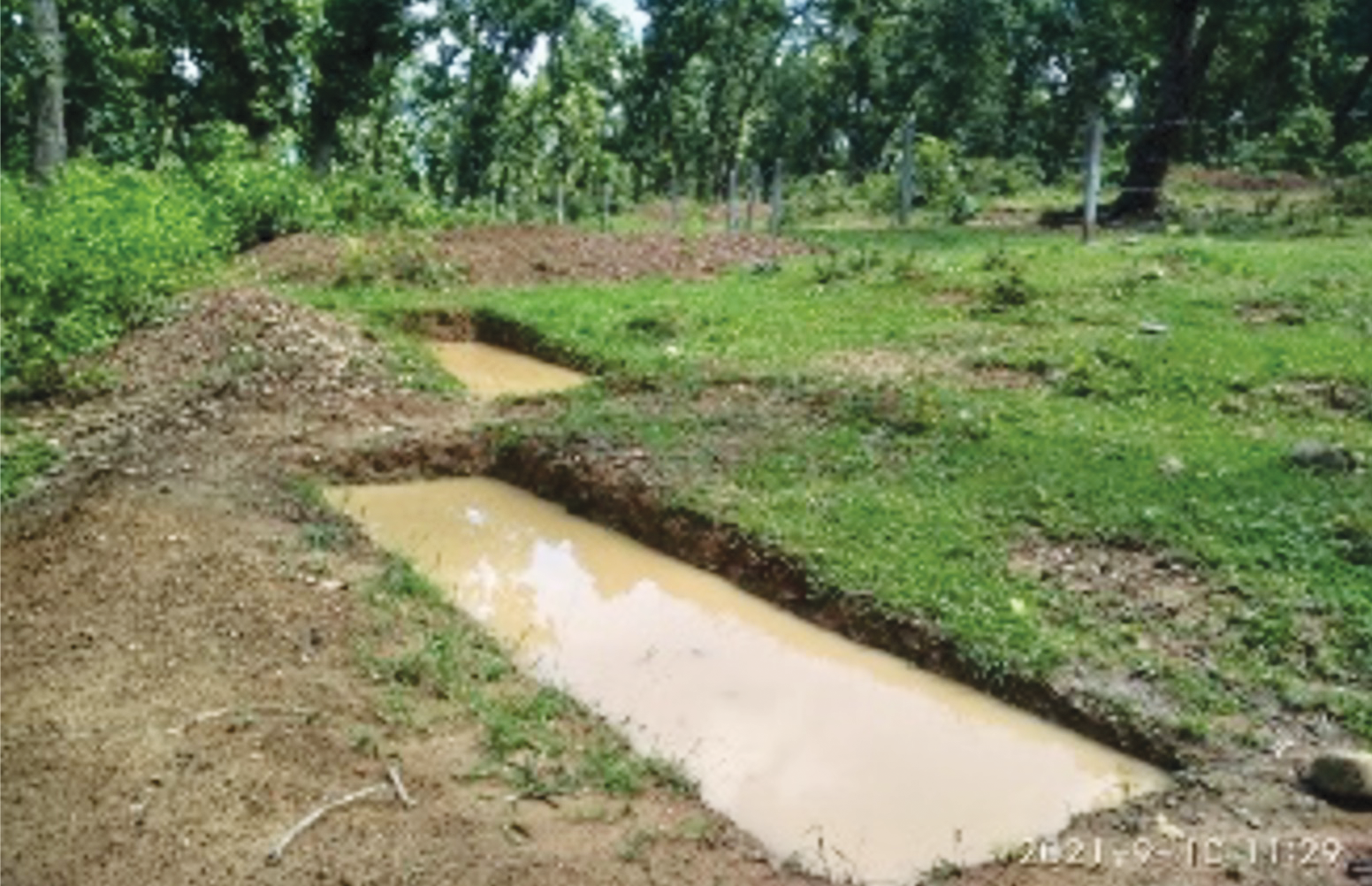
Project Jalodari adopts a comprehensive ridge-to-valley watershed strategy supported by hydrogeological surveys, slope analysis, and aquifer diagnostics. Key interventions include recharge structures, farm ponds, Continuous Contour Trenches (CCTs), check dams, and tank rejuvenation to improve groundwater recharge and surface storage. Demand-side efficiency is strengthened through Alternate Wetting and Drying (AWD), Direct Seeded Rice (DSR), Pre-Monsoon Dry Sowing (PMDS), Raised Bed Plantation (RBP), and micro-irrigation, reducing pressure on aquifers. Community-led Continuous Monitoring (CM) by trained Community Resource Persons (CRPs) ensures real-time tracking of water levels and structure performance, while Water Schools and farmer trainings build long-term local capacity and governance.
Project Jalodari continues to strengthen TCP’s water stewardship agenda, resulting in:
- Improved groundwater recharge and surface water storage
- Enhanced climate resilience for smallholder farmers
- Strong community ownership through data-driven monitoring
- Scalable, sustainable water governance models for rural India
Rural Development: Water Security and Resource Strengthening in Okhamandal (Gujarat)
Okhamandal in western Gujarat is a drought prone peninsula surrounded by seawater on three sides, with no perennial freshwater sources and severely limited groundwater. Frequent monsoon failures, salinity ingress, and the use of saline groundwater for irrigation have degraded soil quality and reduced agricultural productivity. The growing pressures from tourism development and fishing harbours have further strained freshwater availability, making water security a critical need for agriculture, drinking, and livestock rearing.
Our initiative focuses on strengthening rural water security through large scale rainwater harvesting and community-driven water conservation structures. In FY 2025–26, TCSRD, together with the local community, constructed 28 medium sized community ponds and check dams, and 160 farm ponds, significantly enhancing water storage capacity.
Additionally, 70 rooftop rainwater harvesting structures (RRWHS) were built to ensure six to seven months of clean drinking water for households. The approach integrates technical implementation, community mobilisation, and sustainable water asset management to restore ecological balance and support agriculture in drought-hit regions.
These interventions have benefited 527 farmers by creating 38.8 million cubic feet (MCFT) of water conservation capacity and enabling irrigation of 1,584 acres of cultivable land. The RRWHS structures improved household drinking water security and reduced dependence on unsafe and saline sources.
The project has enhanced agricultural resilience, reduced soil degradation caused by saline irrigation, and supported stable rural livelihoods in one of Gujarat’s most waterstressed regions.