
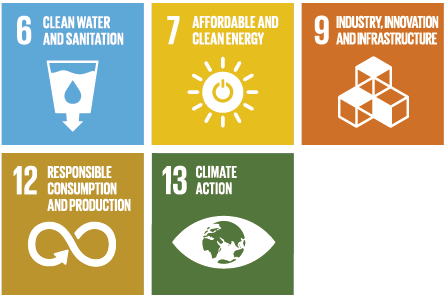
Contribution to UNSDGs
For Better
Planet
Environmental Responsibility
At TCP, environmental responsibility underpins every aspect of our operations. This priority is embodied in the ‘For Better Planet’ pillar of our sustainability strategy. This pillar represents our commitment to responsible operations, which encompasses our simultaneous focus on lowering TCP’s ecological footprint while steadily creating lasting positive environmental impacts.
Vision
Promote clean energy, replenish water, preserve biodiversity, pioneer circular economy.
Targets
Water-neutral
across all operations
100%
of packaging material to be recyclable, compostable or reusable across all geographies
Net zero
across all geographies

STAKEHOLDERS IMPACTED

Environment and Ecosystem

Value Chain Partners

Communities

People

Industry Associations
MATERIAL ISSUES
- Business Risk of Climate Change
- Water Stewardship
- Decarbonisation and Achieving Net Zero
- Energy Management
- Circular Economy
- Biodiversity
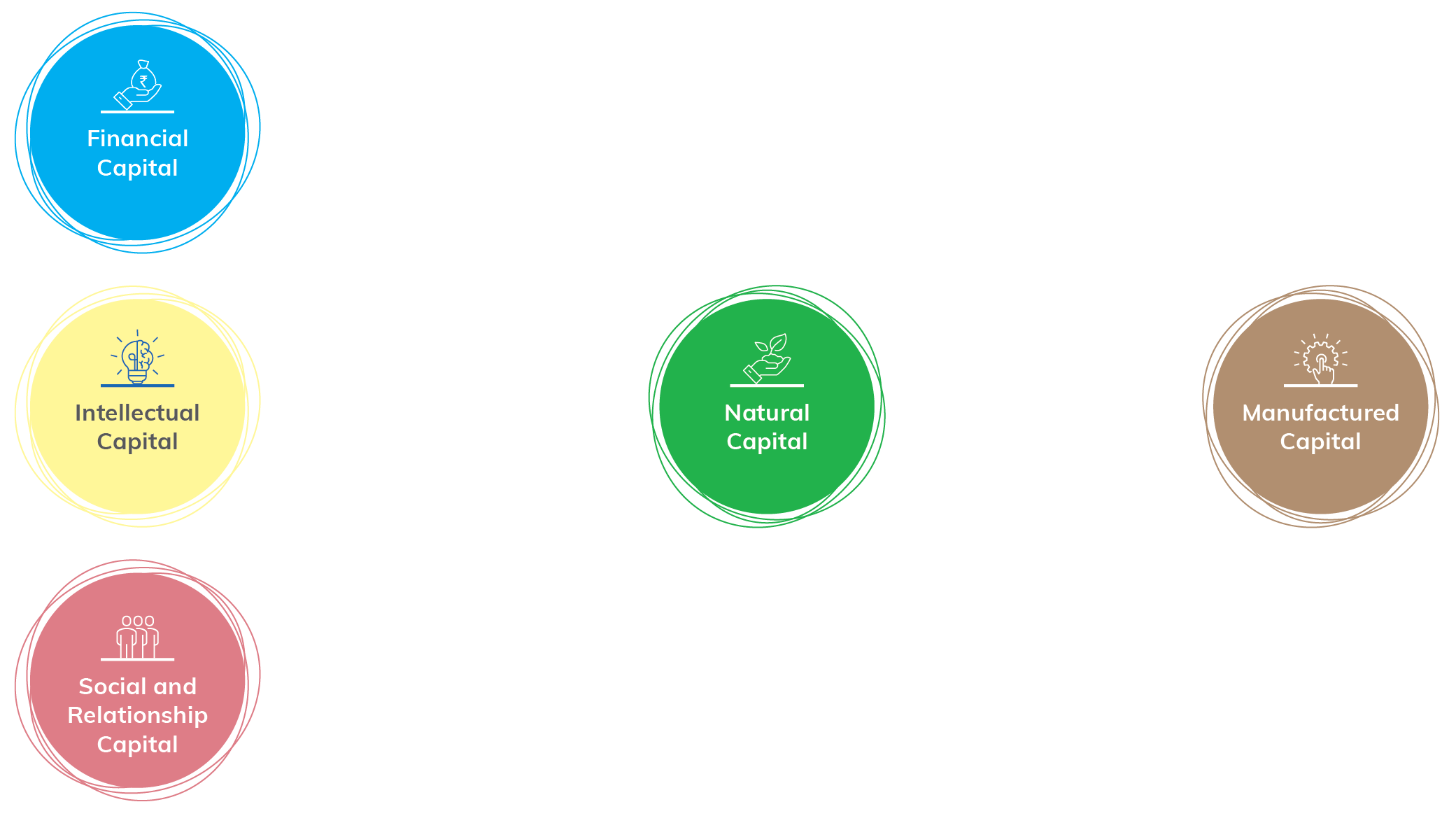
CAPITALS IMPACTED
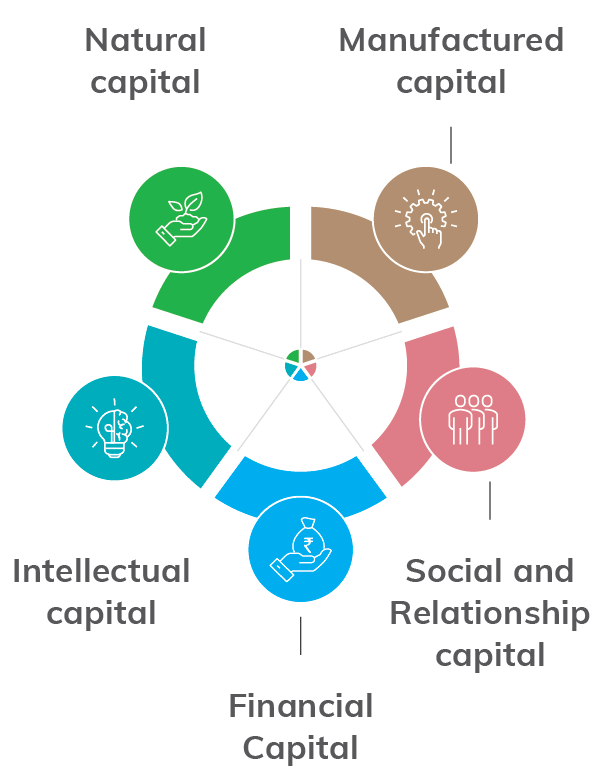
INTERLINKAGE OF CAPITALS
Climate
47%
of energy used is met by
renewable sources
54%
of current direct energy
fulfilled by renewable
sources
Carbon Neutral
on Scope 1 & 2 across global
operations since FY 2023-24
(3 consecutive years)
Water
Water consumption
intensity improved more
than20% from last
year.
Water Positive
across global operations
Harvested Rainwater
usage went up by over55%
Biodiversity
12,700+ hectares
of Rainforest Alliance
plantations
Nature impact assessment
in prioritised operations for
biodiversity conservation
Circularity
80%
of packaging material
is reusable, recyclable,
compostable
~1,700 MT
reduction in plastic usage
through focused packaging
innovation.
Achieved Zero
waste to
landfill with more
than 95% diversion rate
FOR BETTER PLANET
TCP’s Environment Policy embodies our commitment to prioritise sustainable practices that respect, protect and preserve natural resources. It informs our decision making and actions across each of our strategic priority areas including climate change, environment, energy, biodiversity, waste and water management.
The policy’s scope encompasses our journey towards Net Zero through improved energy efficiency and a transition to renewable energy, along with our priorities of sustainable packaging, responsible waste management, product stewardship, sustainable sourcing and responsible environmental practices across our value chain.
ADVANCING NET ZERO
At TCP, we make every effort to manage emissions and energy consumption sustainably. Alongside the directional guidance provided by the Environment Policy, our Environment Conservation Policy provides a framework for the management of energy throughout our operations. This commitment is reflected in 75% of our manufacturing units (excluding offices and plantations) having adopted an ISO 14001 verified Environmental Management System (EMS), enabling us to manage resources judiciously across our operations.
Simultaneously, we promote awareness of our Environmental Management Policy and its significance among both internal and external stakeholders. As part of this effort, all operational teams receive training to help them understand the environmental impact of their roles. These trainings cover essential areas such as energy, water and waste management, including the responsible handling of food waste.
To strengthen accountability and identify opportunities for improvement, we regularly audit key environmental parameters such as energy use, waste generation and water consumption. In addition, we are working towards ISO 50001 certification, aiming for continuous improvement in energy efficiency.
As we transition towards a more sustainable energy mix, we rely on a mix of direct and indirect energy sources to power our operations. Our direct energy needs are met through fuels such as biomass, diesel, petrol, furnace oil, coal, LPG, kerosene and refrigerants used across our facilities. In FY 2025–26, 54% of this direct energy came from bio-based fuels such as firewood, biomass pellets, spent tea waste, briquettes and husk, highlighting TCP’s continued adoption of sustainable and efficient energy options..
Our indirect energy requirements are fulfilled through grid electricity, complemented by the use of off grid solar systems that support the sustainability of our energy portfolio. This year, 47% of our total energy demand was met through renewable sources, including wind and solar power, reflecting our continued efforts in expanding the use of relatively low emissions energy.
Energy Consumption
(inTJ)
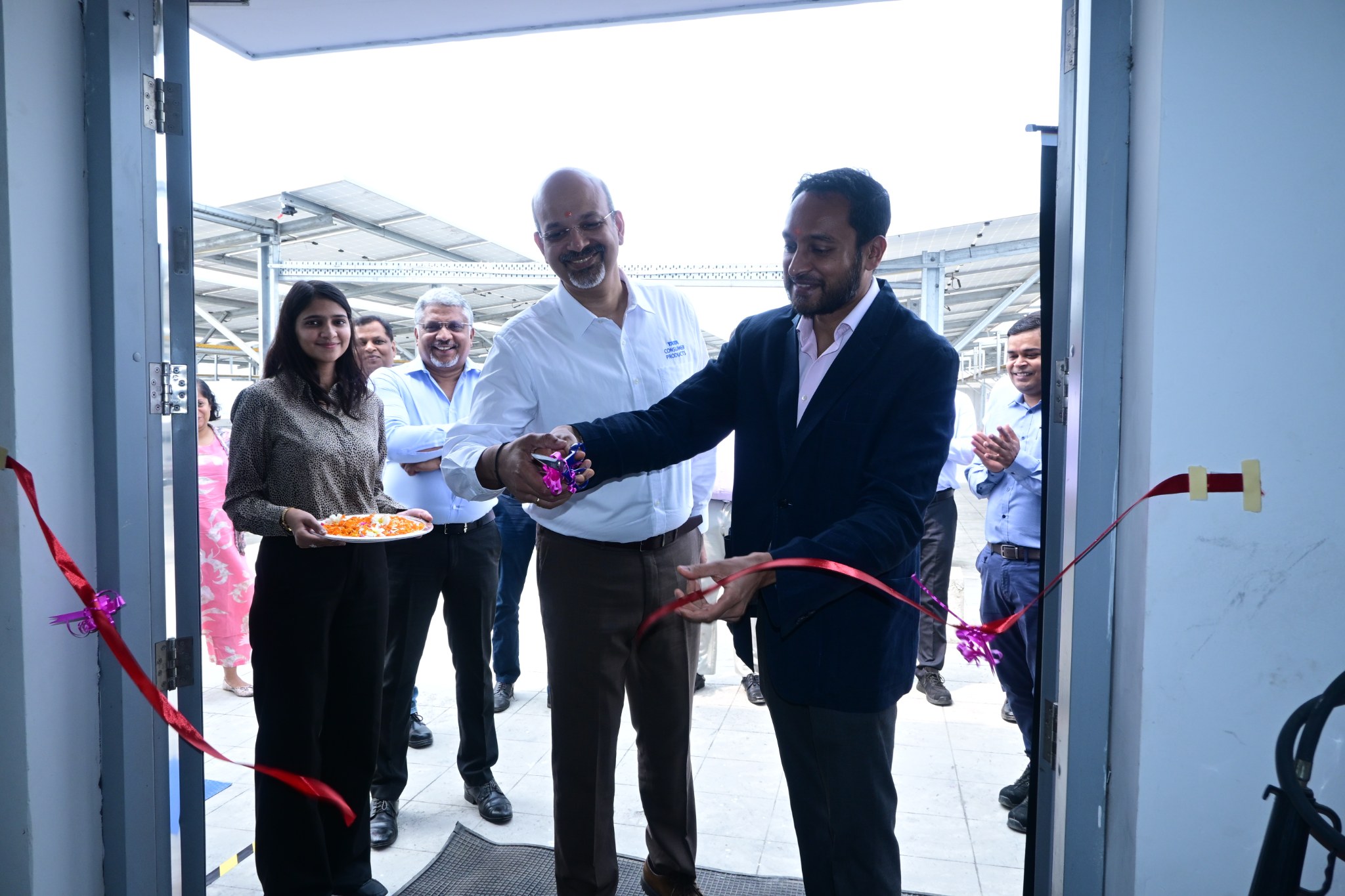
Inaugural ceremony by Mr. Tarun Varma (Global Chief Human Resources & Sustainability Officer) and Mr. Ajit Krishnakumar (Executive Director & COO)
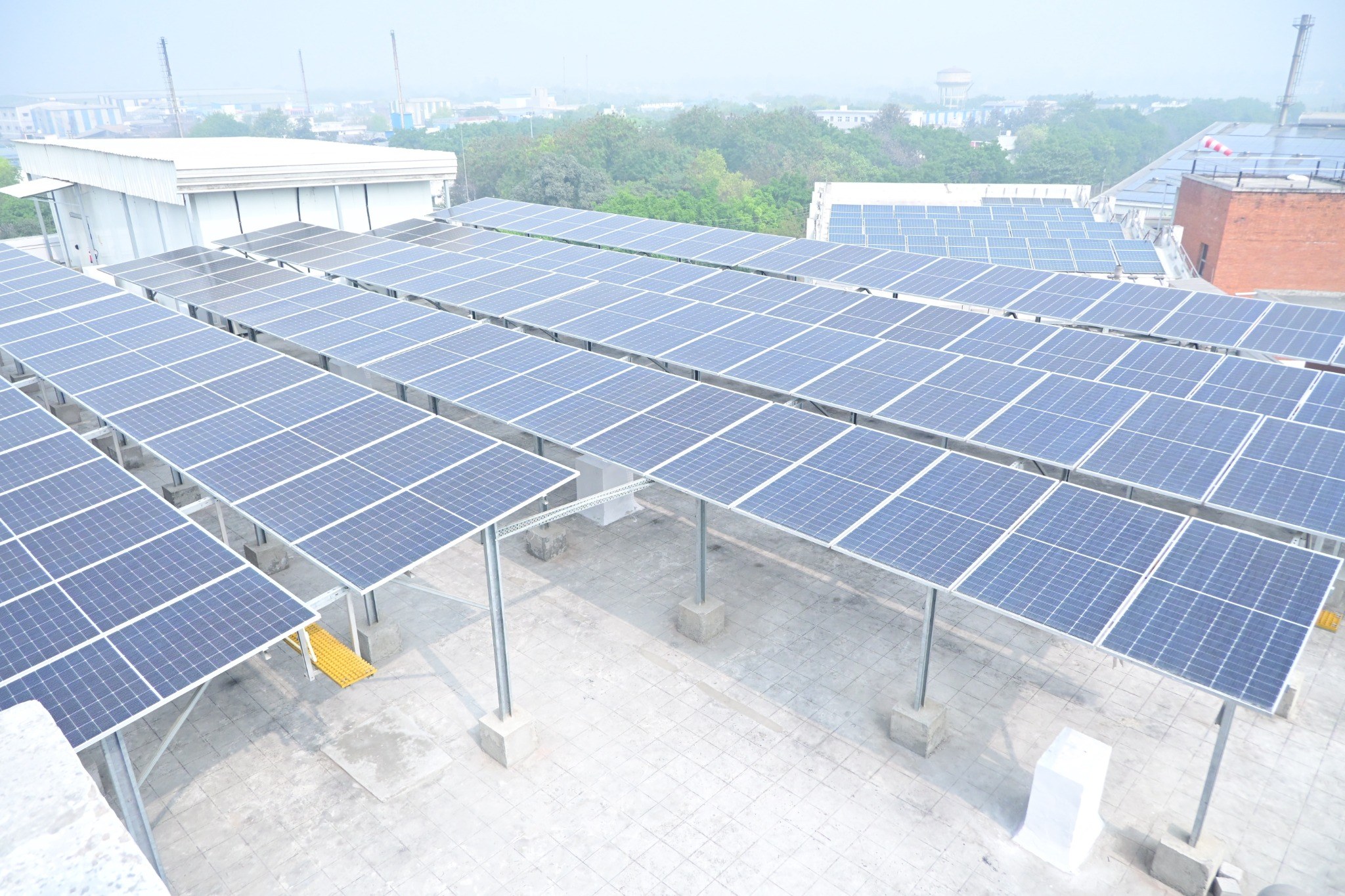
Expansion of on‑site solar infrastructure
Organic India has commissioned an additional 205 kW of solar power, adding to the existing 125 kW system at the Barabanki factory. With this new installation, solar energy will now meet 19% of our total energy needs up from 6% in FY25.
WATER STEWARDSHIP
Water is not only a vital ingredient in our products but also fundamental to our manufacturing processes. With water scarcity becoming a pressing challenge in many regions worldwide, assessing and managing water related risks is critical to advancing the long term sustainability and resilience of our business. In FY 2025-26, we initiated an assessment of water stressed areas in the locations we operate in and procure raw materials from. Through this assessment, we aim to identify water related risks to our business, supply chain and communities and develop data driven risk mitigation strategies for the long term.
To support our long term strategy to manage our water resources sustainably, we follow the Climate Disclosure Standards Board (CDSB) Framework to report water related information and assess water risks. Further, enterprise level water risk assessments have been conducted for all our business segments. A comprehensive water risk assessment that commenced in FY 2023-24, has helped to identify ways to improve water efficiency in our manufacturing processes. These assessment employ established third-party tools such as the WRI Aqueduct and the WWF Water Risk Filter, enabling us to develop strategies based on sound data and methodologies.
For us at TCP, conserving water is both an environmental necessity and a driver of cost efficiency and sustainable growth. Therefore, we place strong emphasis on using water responsibly and continuously lowering our water use ratio. Our approach focuses on process optimisation, water recycling and repurposing wastewater, applying the circular economy principles of ‘Reduce, Reuse and Recycle’.
To better manage water loss, we refined the Piping and Instrumentation Diagram (P&ID) for our filler rinsing and filling operations, minimising waste caused by pressure fluctuations and process interruptions. We also increased water recycling by capturing, filtering and redirecting water from these operations for utility purposes, thereby lowering freshwater consumption.
Moreover, all wastewater generated in our processes is treated in our Effluent Treatment Plant (ETP) and reused for secondary applications such as gardening and irrigation, supporting our goal of achieving zero discharge of treated water. We continue to enhance ETP performance through strengthened monitoring of key parameters and improved sludge-handling practices to ensure full compliance. Our ETPs operate through a structured primary–secondary–tertiary treatment process, supported by continuous monitoring, trained operators and regular audits, ensuring reliable operation and effective reuse of treated water.
As a result, we continue to conserve water daily, strengthening our environmental sustainability progress. TCP achieved a water positivity index of 2.20 in FY 2024–25, and the FY 2025–26 index is currently under evaluation. We have had no violations of environmental laws or regulations over the past 5 years and no fines or penalties have been incurred. In water-stressed regions, where prudent freshwater management is critical, the Company has also reported no water-related incidents or associated costs during this period.
MANAGING WATER RISKS
Water risks are managed through responsible freshwater use, improved efficiency, and increased focus on reuse and recycling across operations. Impacts on local communities are addressed through CSR water-focused projects, robust effluent treatment and discharge management, and measures to protect local water bodies. We aim to reduce freshwater dependency by promoting recycling and responsible water stewardship across our operations and value chain.
PRESERVING NATURE AND BIODIVERSITY
Recognising that biodiversity and sustainable agricultural produce are closely intertwined, we consider the protection of the natural environment to be a key priority. This understanding drives our two-pronged emphasis on productivity and ecological consciousness, setting an example for the industry. As a result, each cup of tea or coffee from TCP is imbued with care, responsibility and respect for the natural environment we thrive on.
Building on this commitment, TCP has developed a Biodiversity Conservation Policy that embeds biodiversity considerations into business decision-making and outlines clear objectives for conservation and responsible resource use. The policy also emphasises strong stakeholder engagement, partnering with government agencies, NGOs, Indigenous Peoples, local communities, smallholders and industry bodies to co-develop and implement biodiversity initiatives.
Our efforts in biodiversity preservation are focused on ecologically sensitive regions, hotspots and forested landscapes in Coorg, Munnar and Assam, in the vicinity of tea and coffee plantations that belong to our subsidiaries and associate companies. TCP’s work is directed towards supporting long term ecological resilience and shielding these forested areas from human encroachment. Our approach to conservation is underpinned by a range of nature focused initiatives including restoring ecosystems, safeguarding natural habitats and addressing environment specific challenges. Over the years, this commitment has led to our plantations being acknowledged as benchmarks for sustainable practices and recognised with global certifications.
SOME BIODIVERSITY CONSERVATION PROJECTS
- Protection and restoration of 18 fragmented rainforest segments in the Annamalai Hills
- Conservation of Great Hornbill (Buceros bicornis) in the tropical rainforest and human-modified landscapes of Annamalai Hills
- Conservation and management of elephant pathways to prevent human-animal conflicts in the plantations
- Agro-ecosystem conservation and managing diversity of avian species in coffee and tea plantations
- Worked with over 4,000 growers to achieve C.A.F.E. Practices certifications, promoting sustainable farming and ethical sourcing
- Adopted international best practices on agroforestry, protecting ecosystems and promoting biodiversity
- Sustainable agriculture practices like science based Integrated Pest and Disease Management (IPDM) and shade-grown coffee, enhancing soil health and biodiversity
- Collaborating with Nature Conservation Foundation (NCF) and supporting indigenous tribes
- Achieved Rainforest Alliance certification for all plantations (12,700+ hectares), demonstrating adherence to high environmental and social standards
Our work with tea and coffee growers to empower communities has yielded positive outcomes, as seen in improved bioindicators. Specifically, we have noted an increase in the population of bees, leading to more pollination and increased honey production. By providing training and capacity-building support, we help communities to create sustainable livelihoods.
Through our partnerships with organisations such as Trustea and the Rainforest Alliance, we promote responsible agricultural practices. These practices are aimed at improving soil health, encouraging farmers to minimise chemical use and promoting respect for the relationship between people and the natural environment.